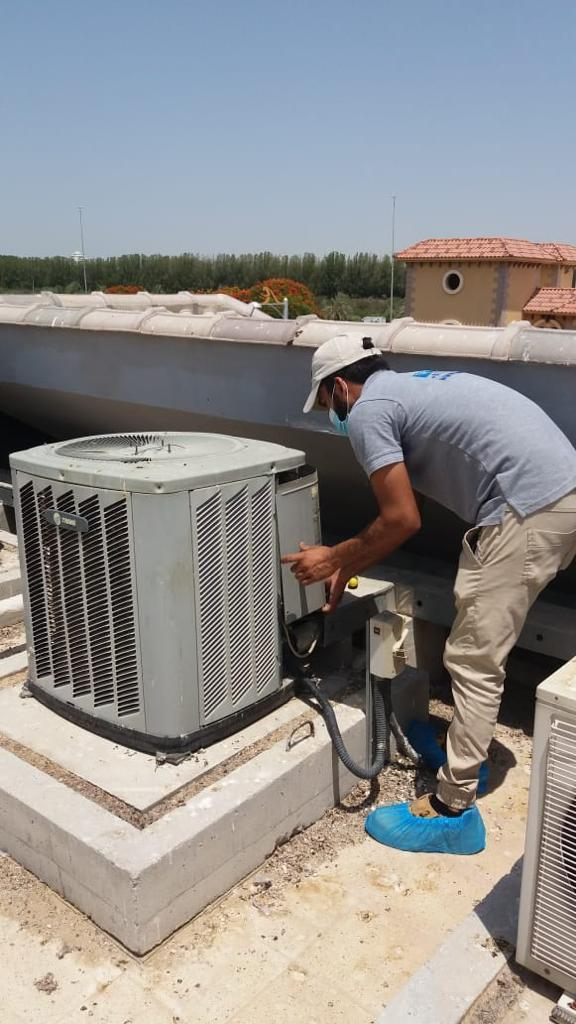
Split AC vs Central AC: Which Is Better?

Choosing between a split AC and a central AC system is one of the most important decisions for homeowners and businesses in Dubai. Both systems have their advantages, but the right choice depends on your space, budget, and cooling needs.

Understanding Split AC Systems

Split AC units are designed to cool individual rooms. They are easy to install, cost-effective, and allow independent temperature control for each space.

For apartments or smaller homes, split ACs offer flexibility and efficiency without requiring complex ductwork.

How Central AC Works

Central AC systems cool an entire property through a network of ducts. They provide consistent cooling across all rooms and are commonly used in villas and large commercial spaces.

While installation is more complex, the result is a seamless and uniform cooling experience.

Efficiency and Energy Consumption

Split AC systems are generally more energy-efficient for smaller spaces because you only cool the rooms you use. Central AC, however, can be more efficient for larger homes where multiple rooms need cooling simultaneously.

Installation and Maintenance

Split ACs are easier and cheaper to install. Central AC systems require ductwork, making installation more expensive but less visible.

Maintenance for both systems is essential, especially in Dubai’s dusty environment.

Which One Should You Choose?

If you live in an apartment or need cooling for specific rooms, split AC is the better option. For large villas or commercial properties, central AC provides better comfort and consistency.

FAQs

Which is cheaper: split AC or central AC?
Split AC is cheaper to install, but costs vary based on usage.

Is central AC better for villas?
Yes, it provides uniform cooling.

Do split ACs consume less electricity?
Yes, for smaller spaces.

Which AC is easier to maintain?
Split AC systems are simpler to maintain.

What is best for Dubai homes?
It depends on property size and cooling needs.

DIY Painting vs Hiring Professionals: Cost & Quality Comparison

Painting your home might seem like a simple weekend project, but the decision between doing it yourself and hiring professionals goes far beyond just cost. It’s about time, finish quality, durability, and long-term value.

The DIY Approach: Is It Really Cheaper?

At first glance, DIY painting appears budget-friendly. You only pay for paint, brushes, and basic tools. However, hidden costs quickly add up—primer, ladders, masking materials, and most importantly, your time.

For many homeowners, the biggest challenge isn’t starting the job—it’s finishing it properly. Uneven coats, visible brush marks, and poor surface preparation can compromise the final result.

The Professional Advantage

Professional painters bring experience, efficiency, and precision. They understand surface preparation, paint types, and application techniques that ensure a smooth, long-lasting finish.

In the UAE, where heat and humidity affect paint durability, professional expertise becomes even more important. The right paint and application method can prevent peeling, cracking, and fading.

Time vs Quality

DIY projects often take longer than expected. What seems like a two-day job can stretch into a week or more. Professionals, on the other hand, complete projects quickly without compromising quality.

Long-Term Cost Comparison

While DIY may seem cheaper initially, poor results often lead to repainting sooner than expected. Professional work, though higher upfront, lasts longer and reduces maintenance costs.

When DIY Makes Sense

Small touch-ups or single-room projects can be manageable for DIY enthusiasts. However, for larger spaces, villas, or exterior painting, hiring professionals is the smarter choice.

FAQs

Is DIY painting cheaper than hiring professionals?
Initially yes, but long-term costs may be higher due to rework.

How long does professional painting last?
Typically 5–7 years with proper materials.

Can I paint my villa myself?
It’s possible but challenging and time-consuming.

Why does paint peel in Dubai?
Heat and humidity affect paint quality and application.

Do professionals provide better finish?
Yes, due to expertise and proper tools.

Smart Home Upgrades You Can Do in 2026

Technology is no longer a luxury—it’s becoming a standard in modern homes. In 2026, smart home upgrades are not just about convenience; they’re about efficiency, security, and long-term savings. Whether you’re upgrading a villa in Dubai or a compact apartment, smart solutions can completely transform how you live.

The Rise of Intelligent Living

Smart homes are designed to adapt to your lifestyle. Instead of manually controlling devices, systems now learn your habits and adjust automatically. Lighting dims when you relax, AC adjusts before you arrive, and security systems monitor your home 24/7.

This shift is particularly valuable in the UAE, where energy efficiency and comfort are top priorities.

Smart Climate Control

Air conditioning accounts for a significant portion of energy consumption in Dubai. Smart thermostats and automated AC systems optimize cooling based on your schedule.

These systems reduce energy waste while maintaining comfort—especially during peak summer months.

Advanced Home Security

Security has become smarter and more proactive. Modern systems include motion detection, real-time alerts, remote monitoring, and AI-powered cameras.

You can monitor your home from anywhere, ensuring safety whether you’re at work or traveling.

Lighting That Adapts to You

Smart lighting systems allow you to control brightness, color, and schedules. Beyond aesthetics, they improve energy efficiency and enhance mood.

Imagine lights that gradually dim at night or turn on automatically when you enter a room.

Voice-Controlled Ecosystems

Voice assistants are now central to smart homes. From controlling appliances to managing schedules, everything can be done with simple voice commands.

This level of integration makes daily tasks faster and more intuitive.

Why 2026 Is the Right Time to Upgrade

With increasing energy costs and growing demand for convenience, smart home upgrades are becoming a necessity. They not only improve your lifestyle but also increase property value.

For homeowners in Dubai, investing in smart technology is a future-proof decision.

FAQs

What is the best smart upgrade for homes in Dubai?
Smart AC and climate control systems offer the highest value.

Are smart homes expensive to set up?
Costs vary, but long-term savings often outweigh initial investment.

Can I upgrade my existing home?
Yes, most smart systems are designed for easy integration.

Do smart homes reduce electricity bills?
Yes, through automation and efficient energy usage.

Is smart home technology safe?
With proper setup, modern systems offer high security and reliability.

Why Your AC Suddenly Stops Cooling at Night

You switch on your AC at night expecting a comfortable sleep, but instead, you wake up sweating. This frustrating issue is more common than you think, especially in climates like the UAE. The problem isn’t always obvious—but it’s almost always preventable.

The Night-Time Cooling Mystery Explained

At night, temperatures drop slightly, but your AC system still works hard—sometimes harder than during the day. This is because many systems face hidden issues that only show up after continuous use. One of the most common reasons is thermostat miscalibration. During the night, incorrect thermostat readings can signal the AC to stop cooling prematurely, even when the room isn’t actually cool.

Dirty Filters and Restricted Airflow

When filters are clogged with dust, airflow becomes restricted. During the day, the system may cope, but at night, continuous operation causes the system to struggle. This results in weak or no cooling.
In UAE environments, dust accumulation happens quickly, making this a frequent issue for homeowners.

Refrigerant Problems

Low refrigerant levels can also cause your AC to stop cooling effectively. At night, when the system runs longer cycles, the lack of refrigerant becomes more noticeable. This often leads to warm air blowing from vents.
Unlike fuel, refrigerant doesn’t get “used up.” If levels are low, there’s likely a leak that needs professional repair.

Frozen Evaporator Coils

Another hidden culprit is frozen coils. When airflow is restricted or refrigerant levels are off, coils can freeze. This blocks cooling completely until the ice melts.
You may notice water leakage or reduced airflow before cooling stops entirely.

Electrical or Sensor Issues

Loose wiring, faulty sensors, or capacitor problems can disrupt cooling, especially after hours of operation. These issues often go unnoticed until the system fails at night.

How to Prevent Night Cooling Issues

Regular maintenance is the simplest and most effective solution. Cleaning filters, checking refrigerant levels, and scheduling routine servicing can prevent most of these problems.
Ignoring early signs—like weak airflow or unusual sounds—only leads to bigger issues later.

FAQs

Why does my AC work during the day but not at night?

Night-time operation exposes hidden issues like thermostat errors, frozen coils, or airflow restrictions.

Can low gas cause AC to stop cooling at night?

Yes, especially during long cooling cycles.

How do I fix frozen AC coils?

Turn off the AC and call a professional to inspect airflow and refrigerant levels.

Is this a common problem in Dubai?

Yes, due to high AC usage and dusty conditions.

Should I replace my AC if this happens often?

Not necessarily—regular servicing usually resolves the issue.

AC Cleaning vs Servicing: What’s the Difference

When your air conditioner starts underperforming, most homeowners assume it simply needs “cleaning.” Others request “servicing” without really knowing what that includes. While both are essential for maintaining your AC system, they are not the same – and understanding the difference can save you money, improve cooling, and extend your unit’s life.

Understanding AC Cleaning

AC cleaning is exactly what it sounds like—but much deeper than a surface wipe. Over time, dust, sand (especially in UAE conditions), and mold accumulate inside your AC unit. This buildup blocks airflow, reduces cooling efficiency, and can even affect indoor air quality.

Professional AC cleaning focuses on removing this buildup from critical components like filters, evaporator coils, condenser coils, and drainage lines. When these parts are clean, your AC can “breathe” again, allowing it to cool your space more effectively and consume less energy.

In Dubai and surrounding areas, where air conditioners run almost year-round, cleaning is not optional – it’s essential. Without it, your system works harder than it should, leading to higher electricity bills and unexpected breakdowns.

What AC Servicing Actually Includes

AC servicing goes beyond cleaning. Think of it as a full health check-up for your air conditioning system. A proper AC service includes inspection, testing, minor repairs, gas level checks, thermostat calibration, electrical component testing, and performance optimization. While cleaning is a part of servicing, the focus here is on ensuring that every component is functioning correctly.

Servicing identifies hidden issues – like refrigerant leaks, faulty capacitors, or worn-out motors—before they become major problems. This preventive approach is what helps avoid sudden AC failures, especially during peak summer.

Key Differences That Matter

The biggest difference lies in purpose. Cleaning is about removing dirt and improving airflow, while servicing is about ensuring the entire system operates efficiently and safely.
If your AC is cooling but not as effectively as before, cleaning might be enough. However, if you notice strange noises, uneven cooling, or rising electricity bills, servicing becomes necessary.

Which One Do You Need?

For most homes in the UAE, the ideal approach is not choosing one over the other—but combining both regularly. Cleaning should be done every 3–4 months, while servicing should be scheduled at least twice a year.
Neglecting either can lead to higher costs in the long run. A well-maintained AC not only cools better but also lasts longer, saving you from expensive replacements.

Why Professional Help Matters

DIY cleaning may seem tempting, but AC systems are complex. Improper handling can damage coils or disrupt internal components. Professional technicians use specialized tools and techniques to clean and service units safely and thoroughly.
For homeowners and businesses, investing in professional AC maintenance ensures consistent cooling, better air quality, and peace of mind.

FAQs

What is the main difference between AC cleaning and servicing?

Cleaning focuses on removing dirt and debris, while servicing includes inspection, repair, and performance optimization.

How often should I clean my AC in Dubai?

Every 3 – 4 months due to dust and heavy usage.

Is AC servicing necessary if my unit is working fine?

Yes, servicing helps detect hidden issues before they cause breakdowns.

Can I clean my AC myself?

Basic filter cleaning is possible, but deep cleaning should be done by professionals.

Does servicing include gas refilling?

Only if required. Refrigerant is not consumed, so low levels indicate a leak.

10 Plumbing Maintenance Tips for Dubai Homes to Avoid Costly Repairs

Plumbing problems are among the most expensive and disruptive issues faced by homeowners in Dubai. Due to hard water, high humidity, aging pipelines, and constant water usage, even a small plumbing fault can quickly turn into a major repair. Many costly plumbing emergencies can be avoided with timely preventive care and awareness of early warning signs. This guide focuses on educational, preventive plumbing maintenance tips to help Dubai homeowners protect their property, reduce repair expenses, and maintain long-term home safety.

Regularly Inspect for Hidden Pipe Leakages

Pipe leakage is one of the most common plumbing issues in Dubai homes, especially under sinks, behind walls, and near water heaters. Even slow leaks can weaken structures, promote mold growth, and increase water bills. Regular visual inspections and professional checks help identify small leaks before they cause extensive damage.

Monitor Water Pressure Consistently

Unstable or unusually high water pressure can strain pipes, joints, and fixtures. In many Dubai homes, pressure-related issues lead to sudden pipe bursts or damaged fittings. If you notice fluctuating pressure across taps or showers, it is often a sign of underlying plumbing issues that require immediate attention.

Clean Drains Before Blockages Form

Kitchen and bathroom drains often accumulate grease, hair, soap residue, and mineral deposits from hard water. Slow drainage is an early warning sign of developing blockages. Preventive drain cleaning helps avoid backups, foul odors, and pipe damage that may otherwise require emergency plumbing services.

Check Bathroom Fixtures for Early Wear

Bathrooms experience constant water exposure, making taps, mixers, showerheads, and flush systems prone to wear. Dripping faucets or weak flush performance may seem minor but often indicate internal component failure. Addressing these issues early helps conserve water and prevents fixture replacement costs.

Inspect Water Heaters for Leakage or Rust

Water heaters are under continuous pressure in Dubai households. Any signs of rust, moisture around the tank, or inconsistent hot water supply should be taken seriously. Early maintenance extends the lifespan of the unit and reduces the risk of sudden failure or water damage.

Avoid Chemical Drain Cleaners

While chemical drain cleaners offer quick relief, they often damage pipes over time, especially older plumbing systems. Frequent use can weaken pipe interiors and lead to leaks. Preventive mechanical cleaning and professional plumbing services are safer and more effective for long-term maintenance.

Keep an Eye on Water Bills for Sudden Changes

An unexplained increase in your water bill is often a silent indicator of hidden leaks or inefficient plumbing systems. Monitoring monthly usage helps identify problems early, even before visible signs appear.

Protect Pipes from Temperature Stress

Although Dubai does not experience freezing temperatures, extreme heat can still affect exposed pipes, especially on rooftops or outdoor areas. Heat-related expansion can loosen joints and fittings. Proper insulation and periodic inspections reduce the risk of leaks caused by temperature stress.

Ensure Proper Sealing Around Wet Areas

Poor sealing around sinks, bathtubs, and washing machine connections allows water seepage into walls and floors. Over time, this can damage tiles, cabinets, and structural elements. Regular resealing is a simple preventive step that avoids major repair work.

Schedule Professional Plumbing Inspections

Preventive inspections by experienced plumbing professionals help identify hidden risks that homeowners often miss. Routine checks ensure optimal water pressure, secure pipe connections, and efficient system performance, significantly reducing the likelihood of emergency repairs.

Why Preventive Plumbing Maintenance Matters in Dubai

In Dubai’s climate, plumbing issues escalate faster due to mineral-heavy water, humidity, and continuous system use. Preventive plumbing maintenance not only saves money but also ensures hygiene, comfort, and long-term property value.

At rimonsk.ae, we focus on proactive plumbing care rather than emergency fixes. Regular inspections and timely repairs help Dubai homeowners avoid costly breakdowns and enjoy peace of mind throughout the year.

14 Signs Your Home in Dubai Needs Immediate Maintenance Attention

Living in Dubai means enjoying modern infrastructure, beautiful homes, and high living standards. However, the city’s extreme climate, high humidity, frequent AC usage, and fast-paced lifestyle can quietly take a toll on residential properties. Many homeowners delay maintenance until a problem becomes unavoidable, but ignoring early warning signs often leads to higher repair costs, safety risks, and unnecessary stress. This guide is designed to help you identify urgent repairs early and take timely action, keeping your home safe, comfortable, and compliant with Dubai living standards.

Unusual Water Leaks or Damp Patches

One of the most common warning signs in Dubai homes is unexplained water leakage. If you notice damp patches on walls, ceilings, or near bathroom areas, it often indicates hidden plumbing issues. In high-rise apartments, even a small leak can spread quickly and affect neighboring units. Water seepage also creates an ideal environment for mold growth, which can impact indoor air quality and health. Immediate maintenance attention is crucial to prevent structural damage and costly repairs.

Persistent Mold or Musty Smells Indoors

Dubai’s humidity, especially during summer months, can accelerate mold formation. A persistent musty smell, dark spots on walls, or discoloration around AC vents should never be ignored. Mold not only damages paint and surfaces but also poses serious health risks, particularly for children and people with allergies or respiratory conditions. Professional maintenance ensures proper moisture control and long-term home safety.

Electrical Issues and Frequent Power Trips

If circuit breakers trip frequently, sockets feel warm, or lights flicker without reason, your home may be facing electrical faults. Electrical issues are a serious home safety concern in Dubai, especially in older properties or homes with outdated wiring. Ignoring these signs increases the risk of short circuits or electrical fires, making urgent inspection and repair essential.

Cracks in Walls, Ceilings, or Floors

Hairline cracks may seem harmless, but expanding or deep cracks can indicate structural stress or foundation movement. In villas and townhouses, cracks are often caused by temperature fluctuations or construction wear over time. Early maintenance helps identify whether the issue is cosmetic or structural, preventing long-term damage to your property’s integrity.

Air Conditioning Not Cooling Effectively

In Dubai, a properly functioning AC system is not a luxury—it is a necessity. If your air conditioner is blowing warm air, making unusual noises, or increasing your DEWA bills significantly, it is a clear sign of system inefficiency. Delaying AC maintenance can result in complete system failure during peak summer, leading to discomfort and emergency repair costs.

Unpleasant Odors from Drains or Bathrooms

Bad smells coming from drains often signal blockages, pipe damage, or sewer gas issues. These problems can worsen quickly and may indicate deeper plumbing concerns. Addressing drainage problems early helps maintain hygiene and prevents potential health hazards within the home.

Doors and Windows Becoming Hard to Open or Close

When doors or windows suddenly become misaligned, it may be due to humidity-related expansion, hinge damage, or structural shifts. This issue can affect home security and energy efficiency, especially when cool air escapes due to poor sealing. Timely maintenance restores functionality and prevents further wear.

Peeling Paint or Bubbling Walls

Peeling paint is often dismissed as an aesthetic issue, but in Dubai homes, it frequently indicates moisture intrusion or poor insulation. Bubbling walls or flaking paint can be early indicators of water damage beneath the surface. Professional assessment ensures the root cause is addressed, not just the visible damage.

Unusual Noises from Plumbing or Pipes

Banging, whistling, or gurgling sounds from pipes suggest pressure problems, trapped air, or loose fittings. These warning signs can quickly escalate into pipe bursts if ignored. Early intervention protects your home from sudden water damage and emergency repairs.

Pest Infestations Appearing Suddenly

The appearance of termites, cockroaches, or rodents often signals underlying maintenance issues such as moisture buildup, cracks, or poor sealing. Pests can damage furniture, wiring, and even structural elements. Addressing the root cause through maintenance is more effective than temporary pest control solutions.

Increased Energy or Water Bills Without Explanation

A sudden rise in utility bills is often a silent indicator of hidden problems. Leaking pipes, inefficient AC units, or faulty electrical systems can waste significant resources. Identifying these issues early through professional inspection helps reduce costs and supports sustainable living in Dubai.

Loose Tiles or Uneven Flooring

Loose or hollow-sounding tiles may indicate water seepage beneath the flooring. In bathrooms and kitchens, this can quickly spread and weaken the subfloor. Immediate maintenance prevents further damage and reduces the risk of slips or injuries.

Low Water Pressure Throughout the Home

If water pressure drops suddenly across multiple taps, it could be due to pipe blockages, leaks, or valve issues. Low water pressure affects daily routines and often signals a more serious plumbing concern that requires urgent attention.

Aging Fixtures Showing Visible Wear

Rusty taps, outdated fittings, or worn-out switches are not just cosmetic issues. Aging fixtures can fail unexpectedly, leading to leaks, electrical faults, or safety hazards. Proactive maintenance ensures your home remains functional and compliant with modern living standards.

Why Immediate Maintenance Matters in Dubai

Ignoring early warning signs can turn minor issues into major emergencies. In Dubai’s climate, problems escalate faster due to heat, humidity, and continuous system usage. Timely home maintenance protects property value, ensures family safety, and helps you avoid unexpected repair expenses.

At rimonsk.ae, we believe preventive maintenance is the key to stress-free living. If your home is showing any of these signs, taking action now can save you time, money, and future inconvenience. Professional inspection and maintenance ensure your Dubai home remains safe, efficient, and comfortable all year round.

Frequently Asked Questions About Home Maintenance in Dubai

1. How do I know if my home needs urgent maintenance?

If you notice water leaks, electrical issues, mold growth, AC failure, or sudden increases in utility bills, these are strong warning signs that your home requires immediate maintenance. Ignoring them can lead to safety risks and higher repair costs, especially in Dubai’s climate.

2. Is home maintenance urgent in Dubai’s weather conditions?

Yes, Dubai’s extreme heat and humidity accelerate wear and tear on plumbing, electrical systems, and air conditioning units. Small issues can quickly become emergencies if not addressed promptly.

3. What are the most common home maintenance problems in Dubai?

The most common issues include AC malfunction, plumbing leaks, mold formation, electrical faults, cracked walls, peeling paint, and drainage problems. These problems often worsen due to continuous system usage and weather conditions.

4. Can delayed maintenance increase repair costs?

Absolutely. Delaying maintenance allows minor issues to develop into major structural or system failures. Early repairs are significantly more cost-effective than emergency replacements.

5. How often should home maintenance be done in Dubai?

Preventive maintenance is recommended at least once or twice a year. However, if warning signs appear, immediate inspection is advised regardless of schedule.

6. Is professional home maintenance necessary?

Professional maintenance ensures that issues are correctly diagnosed and safely repaired. DIY fixes may temporarily hide problems but often fail to address the root cause.

Old vs New: Building Maintenance Services Guide

Maintaining a property is not a one-size-fits-all task. Building maintenance services vary significantly depending on whether a structure is decades old or recently constructed. While new buildings often require preventive care and system monitoring, older properties demand structural inspections, upgrades, and frequent repairs.

Understanding these differences helps property owners reduce costs, prevent safety risks, and extend asset lifespan. This guide explains how maintenance needs evolve over time, backed by expert insights and industry references.

Why Building Maintenance Services Matter at Every Stage

According to the International Facility Management Association (IFMA), proactive maintenance can reduce repair costs by up to 18% compared to reactive strategies. Regular building maintenance services:

  • Improve safety and compliance
  • Increase property value
  • Reduce emergency repair expenses
  • Enhance energy efficiency
  • Extend equipment lifespan

However, maintenance priorities differ significantly between old and new buildings.

Maintenance Needs of Old Buildings

Older properties (typically 20+ years old) often face wear-and-tear challenges. Environmental exposure, outdated materials, and aging systems increase the need for specialized maintenance.

1. Structural Integrity and Safety

Over time, buildings naturally deteriorate. Concrete cracks, steel corrodes, and foundations shift.

Common Issues in Older Structures:

  • Cracked walls and ceilings
  • Water seepage and dampness
  • Foundation settlement
  • Corrosion in reinforced concrete

The American Society of Civil Engineers (ASCE) highlights that aging infrastructure is one of the biggest risks to building safety worldwide.

Recommended Building Maintenance Services:

  • Annual structural inspections
  • Waterproofing and crack repairs
  • Concrete restoration
  • Roof rehabilitation

2. Outdated Electrical and Plumbing Systems

Older buildings may not meet modern safety standards.

Risks:

  • Overloaded electrical circuits
  • Frequent power tripping
  • Leaking or corroded pipes
  • Inefficient water systems

The National Fire Protection Association (NFPA) reports that electrical failures are a leading cause of property fires.

Solutions:

  • Electrical rewiring
  • Load balancing and panel upgrades
  • Pipe replacement
  • Water pressure testing

For example, many 1990s residential buildings require distribution board upgrades to support modern appliances.

3. HVAC and Energy Inefficiency

Older air conditioning and ventilation systems consume more energy and require frequent repairs.

According to the U.S. Department of Energy, HVAC systems account for nearly 40% of a building’s energy use.

Maintenance Requirements:

  • Duct cleaning and sealing
  • Compressor replacement
  • Refrigerant checks
  • Thermostat upgrades

Upgrading older HVAC units can reduce energy bills by 10–30%.

4. Compliance and Code Updates

Building regulations evolve. Older buildings may not meet current fire, safety, and accessibility standards.

Areas Requiring Attention:

  • Fire alarm systems
  • Emergency lighting
  • Elevator safety compliance
  • Accessibility modifications

Professional building maintenance services ensure compliance with updated local regulations.

Maintenance Needs of New Buildings

New buildings (0–10 years old) may look flawless, but preventive maintenance is critical to protect warranties and maintain performance.

1. Preventive Maintenance Programs

Unlike older buildings that need corrective repairs, new buildings benefit most from preventive maintenance.

Key Activities:

  • Routine inspections
  • Filter replacements
  • Lubrication of moving parts
  • Warranty tracking

Preventive maintenance can extend equipment lifespan by 20–40%, according to FacilitiesNet research.

2. Smart Systems Monitoring

Modern buildings use advanced technologies such as:

  • Building Management Systems (BMS)
  • Automated lighting controls
  • Smart HVAC sensors
  • Energy monitoring software

These systems require technical calibration and periodic diagnostics.

Building Maintenance Services Include:

  • Software updates
  • Sensor calibration
  • System testing
  • Data performance reviews

3. Manufacturer Warranty Compliance

New systems often come with warranties that require documented maintenance.

Failing to maintain equipment properly may void warranties.

Best Practices:

  • Maintain service logs
  • Schedule authorized inspections
  • Use certified technicians

4. Minor Defect Rectification

New buildings often experience snagging issues during the first few years.

Examples:

  • Paint cracks
  • Door alignment problems
  • Minor plumbing leaks
  • AC drainage issues

Early correction prevents bigger problems later.

Old vs New Building Maintenance: Key Differences

Old Buildings

  • Focus mainly on repairs and system upgrades
  • Higher risk of structural issues
  • Often less energy-efficient
  • Greater risk of non-compliance with updated regulations
  • Maintenance costs are unpredictable and repair-heavy
  • Limited use of smart technologies

New Buildings

  • Focus mainly on preventive maintenance
  • Low structural risk in early years
  • Designed for better energy efficiency
  • Generally compliant with current building codes
  • Maintenance costs are lower but regular and scheduled
  • Equipped with modern smart systems and automation

Cost Comparison: Old vs New Properties

Old Buildings:

  • Higher emergency repair costs
  • System replacement expenses
  • Structural rehabilitation investments

New Buildings:

  • Lower initial maintenance costs
  • Routine service contracts
  • Technology management costs

A study published by the Building Owners and Managers Association (BOMA) shows that preventive maintenance reduces long-term capital expenditure by delaying system replacement.

When Should You Upgrade Instead of Repair?

Building owners often face a common question: repair or replace?

Consider Replacement If:

  1. Repair cost exceeds 50% of replacement cost
  2. Equipment is past 75% of its expected lifespan
  3. Energy bills are consistently high
  4. Spare parts are discontinued

Professional building maintenance services can conduct lifecycle assessments to guide this decision.

Expert Tips for Property Owners

For Old Buildings:

  • Conduct annual full-condition audits
  • Invest in waterproofing early
  • Upgrade electrical panels before load issues arise
  • Retrofit energy-efficient lighting

For New Buildings:

  • Implement an Annual Maintenance Contract (AMC)
  • Keep digital maintenance logs
  • Schedule quarterly inspections
  • Monitor energy data regularly

Professional building maintenance services help property owners stay proactive instead of reactive.

The Role of Professional Building Maintenance Services

Professional providers offer:

  • Certified technicians
  • Compliance knowledge
  • Safety training
  • Preventive maintenance schedules
  • Emergency support

Choosing experienced building maintenance services ensures long-term property protection, whether the property is newly built or decades old.

Frequently Asked Questions:

1. How often should old buildings undergo structural inspections?

Old buildings should undergo structural inspections at least once a year. High-rise or commercial properties may require biannual inspections.

2. Are new buildings maintenance-free?

No. New buildings require preventive building maintenance services to maintain warranties and prevent early system failure.

3. Is maintenance more expensive for old buildings?

Generally, yes. Old buildings often require repairs, system replacements, and compliance upgrades, which increase costs.

4. What is the biggest risk in neglecting building maintenance?

Neglect can lead to structural damage, safety hazards, regulatory fines, and costly emergency repairs.

5. What is the difference between preventive and corrective maintenance?

Preventive maintenance involves scheduled inspections and servicing. Corrective maintenance addresses problems after they occur.

Conclusion:

Old and new buildings have very different maintenance needs. Older properties require structural monitoring, system upgrades, and compliance checks. New buildings focus on preventive care, warranty protection, and smart system management.

Regardless of age, investing in professional building maintenance services protects property value, reduces long-term costs, and ensures occupant safety.

Proactive care today prevents major expenses tomorrow.

Frequent Power Tripping? Electrical Issues Explained

Frequent power tripping is more than just an inconvenience—it is often a warning sign of a deeper electrical problem. In homes, offices, and commercial buildings across the UAE, repeated circuit breaker trips are one of the most common reasons people search for a reliable Electrical Service in Dubai.

Dubai’s modern infrastructure relies heavily on safe and stable electrical systems, especially with high air-conditioning loads, smart appliances, and commercial equipment running year-round. Ignoring power tripping can lead to damaged appliances, costly downtime, or even serious fire hazards.

This guide explains why power tripping happens, how to identify the real cause, and when it is essential to call a certified electrical professional.

What Is Power Tripping and Why Does It Happen?

Power tripping occurs when a circuit breaker automatically shuts off electricity to protect the wiring and connected devices. Circuit breakers are designed to prevent overheating, electrical fires, and equipment damage.

How Circuit Breakers Work (Simple Explanation)

A circuit breaker monitors the flow of electricity. When it detects:

  • Too much current
  • A short circuit
  • A leakage of electricity

…it immediately cuts power to that circuit.

This safety feature is especially important in Dubai, where electrical demand is high due to:

  • Central air conditioning systems
  • High-rise residential buildings
  • Commercial equipment operating long hours

Common Causes of Frequent Power Tripping in Dubai

1. Overloaded Circuits (Most Common Issue)

An overloaded circuit happens when too many appliances draw power from the same circuit.

Common examples:

  • Running AC, microwave, washing machine, and water heater on one circuit
  • Office setups with multiple computers and servers on shared sockets

Warning signs:

  • Breaker trips when appliances start
  • Warm switchboards
  • Burning smell near sockets

Overloaded circuits are one of the leading causes of electrical fires worldwide.

2. Short Circuits

A short circuit occurs when a live wire touches another live wire or a neutral wire, creating a sudden surge of electricity.

Causes include:

  • Damaged insulation
  • Loose wiring
  • Faulty appliances

Signs of a short circuit:

  • Immediate breaker trip when switching on
  • Burn marks on sockets
  • Buzzing sounds

Short circuits are dangerous and should only be handled by professionals offering Electrical Service in Dubai.

3. Earth Leakage or Ground Faults

Ground faults happen when electricity escapes from its intended path and flows into the ground.

In Dubai, this is common due to:

  • Moisture from bathrooms or kitchens
  • Outdoor lighting systems
  • Poor-quality wiring installations

Why it matters:
Ground faults can cause electric shocks, especially in wet areas.

Proper earthing systems are mandatory in Dubai to prevent such risks.

4. Faulty or Aging Appliances

Sometimes the issue is not the wiring but the appliance itself.

High-risk appliances include:

  • Old air conditioners
  • Water heaters
  • Refrigerators with worn compressors

A professional electrician can test appliances to isolate the faulty unit instead of repeatedly resetting the breaker.

5. Outdated Electrical Panels

Many older villas and apartments still use panels not designed for modern electrical loads.

Problems with outdated panels:

  • Insufficient circuit capacity
  • No RCCB or ELCB protection
  • Increased fire risk

Upgrading the distribution board is a common recommendation during professional Electrical Service in Dubai inspections.

Why Power Tripping Is a Serious Safety Concern

Ignoring frequent power trips can result in:

  • Electrical fires
  • Electric shocks
  • Damage to expensive electronics
  • Business downtime in commercial properties

Local fire and life safety regulations strongly emphasize routine electrical inspections to prevent fire-related incidents in buildings.

When Should You Call a Professional Electrical Service in Dubai?

Call a licensed electrician if:

  • Power trips happen daily or weekly
  • Breakers trip without any appliances running
  • You smell burning or see sparks
  • The breaker will not reset
  • Lights flicker frequently

DIY fixes may temporarily restore power but often worsen underlying problems.

How Professional Electrical Services Diagnose Power Tripping

Certified electricians follow a systematic approach:

  1. Load testing to check circuit capacity
  2. Thermal scanning to detect overheating wires
  3. Earth leakage testing
  4. Appliance isolation tests
  5. Distribution board inspection

This professional process ensures long-term safety, not just temporary relief.

Preventive Tips to Avoid Frequent Power Tripping

Here are practical steps homeowners and businesses can take:

  • Avoid using extension cords permanently
  • Distribute high-load appliances across circuits
  • Schedule annual electrical inspections
  • Replace damaged sockets immediately
  • Upgrade electrical panels when renovating

Preventive maintenance is far more cost-effective than emergency repairs.

Electrical Safety Standards in Dubai You Should Know

Dubai follows strict electrical regulations, including:

  • Electrical compliance standards set by local authorities
  • Mandatory earthing systems
  • Use of approved circuit breakers
  • Certified technician requirements

Hiring a licensed provider for Electrical Service in Dubai ensures compliance with local laws and safety codes.

Related Electrical Services

  • Residential Electrical Services in Dubai
  • Commercial Electrical Maintenance Solutions
  • Emergency Electrician Services in Dubai

Frequently Asked Questions:

Q1: Is frequent power tripping dangerous?

Yes. Frequent tripping usually indicates wiring faults, overloaded circuits, or earth leakage. Ignoring it can lead to electrical fires or electric shocks.

Q2: Can I keep resetting the circuit breaker?

Resetting once is acceptable. Repeated resets without fixing the cause can damage wiring and appliances and increase fire risk.

Q3: Does power tripping increase electricity bills?

Indirectly, yes. Faulty wiring and inefficient appliances consume more power and can damage energy-efficient systems.

Q4: How often should electrical systems be inspected in Dubai?

Experts recommend a professional inspection every 12 months for homes and more frequently for commercial properties.

Conclusion:

Frequent power tripping is your electrical system’s way of asking for help. Whether the cause is overloaded circuits, faulty appliances, or outdated panels, timely action is essential for safety and efficiency.

Choosing a professional Electrical Service in Dubai ensures expert diagnosis, compliance with local regulations, and long-term peace of mind.

If your circuit breaker keeps tripping, don’t wait for a serious failure—schedule a professional electrical inspection today.

How to Choose the Right Wood for Your Interiors

Choosing the right wood can transform any space from ordinary to exceptional. Whether you are designing kitchen cabinets, wardrobes, doors, or decorative wall panels, selecting the correct material is crucial for durability and style. Professional custom carpentry services help homeowners and businesses make informed decisions based on climate, budget, and design goals.

In a region like Dubai, where heat and humidity can affect materials, understanding wood types is not just about beauty — it’s about long-term performance. This guide explains how to choose the right wood for your interiors using expert-backed insights and practical advice.

Why Wood Selection Matters in Custom Carpentry Services

Wood is a natural material. Its strength, grain, moisture resistance, and durability vary by species. When used in custom carpentry services, the wrong choice can lead to:

  • Warping or swelling
  • Cracking and splitting
  • Termite damage
  • High maintenance costs
  • Reduced lifespan of furniture

According to the USDA Forest Products Laboratory, wood performance depends heavily on moisture conditions and proper treatment.

Professional carpenters evaluate environmental conditions before recommending materials. This approach ensures both functionality and aesthetic appeal.

Understanding Types of Wood for Interior Projects

There are two main categories used in custom interior carpentry:

1. Hardwood

Hardwoods come from deciduous trees and are generally dense and durable.

Common hardwood options:

  • Oak
  • Teak
  • Walnut
  • Maple
  • Mahogany

Best for:

  • Luxury furniture
  • Cabinets
  • Doors
  • Flooring
  • Decorative panels

Advantages:

  • Long lifespan
  • Rich grain patterns
  • Strong structural integrity

The Wood Database notes that hardwoods like teak offer natural resistance to moisture and insects.

2. Softwood

Softwoods come from coniferous trees and are lighter and more affordable.

Common softwood options:

  • Pine
  • Cedar
  • Fir

Best for:

  • Shelving
  • Interior paneling
  • Budget furniture
  • Temporary structures

Advantages:

  • Easy to work with
  • Cost-effective
  • Lightweight

However, softwoods may require additional treatment to improve durability.

Engineered Wood in Modern Custom Carpentry Services

Modern interiors often use engineered wood products. These are manufactured boards designed for strength and stability.

Popular Engineered Options

  • Plywood – Strong and moisture-resistant
  • MDF (Medium-Density Fiberboard) – Smooth surface for painting
  • HDF (High-Density Fiberboard) – Higher durability than MDF
  • Particleboard – Budget-friendly option

According to APA – The Engineered Wood Association, plywood offers superior strength-to-weight ratio and dimensional stability compared to many solid woods.

When to Use Engineered Wood

  • Kitchen cabinets
  • Wardrobes
  • TV units
  • Office partitions
  • Wall paneling

Professional custom carpentry services often combine solid wood frames with engineered panels for better cost efficiency and stability.

Key Factors to Consider Before Choosing Wood

1. Climate and Humidity

Dubai’s climate includes high humidity during certain months. Wood expands and contracts with moisture changes.

Recommended choices for humid conditions:

  • Teak
  • Marine plywood
  • Treated hardwood

Avoid untreated softwoods in moisture-prone areas like kitchens and bathrooms.

2. Budget Planning

Wood pricing varies significantly depending on type, quality, and finish.

  • Teak
    • High cost
    • Excellent durability
    • Low maintenance
    • Ideal for premium interiors
  • Oak
    • Medium to high cost
    • High durability
    • Moderate maintenance
    • Suitable for cabinets and doors
  • Pine
    • Low cost
    • Moderate durability
    • Higher maintenance required
    • Good for budget projects
  • MDF
    • Low cost
    • Moderate durability
    • Low maintenance
    • Best for painted finishes and modern designs

Custom carpentry services help balance your budget with durability, appearance, and long-term performance requirements.

3. Interior Design Style

Your design theme influences wood selection.

  • Modern interiors: MDF with laminate finish
  • Classic interiors: Solid oak or walnut
  • Luxury spaces: Teak or mahogany
  • Minimalist design: Light maple or birch

Wood grain pattern plays a major role in visual appeal.

4. Durability and Usage

Ask these practical questions:

  1. Will the surface handle heavy weight?
  2. Is it exposed to moisture?
  3. Does it need scratch resistance?
  4. Will it be frequently opened and closed (like cabinets)?

For high-traffic areas, hardwood or marine plywood is recommended.

5. Termite Resistance

According to the National Pest Management Association, termite damage causes billions of dollars in structural damage annually worldwide.

Naturally resistant woods:

  • Teak
  • Cedar
  • Redwood

Proper treatment and sealing are essential, especially in warm climates.

Solid Wood vs Engineered Wood: Which Is Better?

Solid Wood

Pros:

  • Premium look
  • High resale value
  • Long lifespan

Cons:

  • Expensive
  • Can expand or shrink

Engineered Wood

Pros:

  • Cost-effective
  • Stable structure
  • Smooth finish

Cons:

  • Less premium feel
  • May not last as long as hardwood

Professional custom carpentry services evaluate project goals before recommending either option.

Practical Tips from Carpentry Experts

Based on industry best practices and field experience, here are expert insights:

  • Always check wood moisture content before installation.
  • Use proper sealing and finishing products.
  • Combine hardwood frames with plywood panels for cabinets.
  • Choose lighter wood shades for small rooms to create spaciousness.
  • Avoid particleboard in areas exposed to water.

Working with experienced professionals ensures correct installation techniques and long-term durability.

Real-World Example: Kitchen Cabinet Selection

A homeowner in Dubai wanted durable kitchen cabinets with a modern look.

Challenge: High humidity and frequent usage.

Solution:

  • Marine plywood carcass
  • Teak veneer finish
  • Moisture-resistant laminate interior

Result: Durable, stylish, and cost-effective cabinetry that withstands environmental stress.

This example highlights how professional custom carpentry services blend materials strategically.

FAQ Section

1. What is the best wood for kitchen interiors?

Teak and marine plywood are excellent choices due to moisture resistance and durability. MDF with laminate is also suitable for budget-friendly projects.

2. Is engineered wood durable?

Yes, high-quality plywood and HDF are durable when properly installed and sealed. They offer better dimensional stability than some solid woods.

3. How do I protect wood from humidity?

Use moisture-resistant wood, apply sealants, ensure proper ventilation, and hire professional custom carpentry services for installation.

4. Which wood is most termite-resistant?

Teak and cedar naturally resist termites. However, chemical treatment adds extra protection.

5. Is solid wood better than plywood?

Solid wood offers a premium appearance and longevity. Plywood provides better cost efficiency and structural stability in humid climates.

Conclusion

Choosing the right wood is essential for creating interiors that are both beautiful and long-lasting. Climate, budget, design style, durability, and termite resistance all influence the best choice. Professional custom carpentry services combine expertise, material knowledge, and precise craftsmanship to ensure superior results.

If you are planning to upgrade your home or office interiors, consult experienced carpentry professionals who understand material science and regional conditions. The right wood selection today ensures timeless elegance and lasting performance tomorrow.