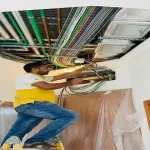
Most of us never think about the wiring inside our walls. As long as the lights come on and the AC runs, everything seems fine. But electrical wiring doesn’t last forever, and the problems it develops are often silent until they become serious: a tripping breaker, a scorched socket, or in the worst case, an electrical fire.
The good news is that most wiring problems give warning signs long before they become dangerous. A regular electrical wiring inspection helps you spot those signs early, protect your family, and avoid expensive emergency repairs.
In this guide, we’ll explain what an electrical wiring inspection involves, the warning signs every homeowner should know, the safe checks you can do yourself, and when it’s time to bring in a licensed electrician.
What Is an Electrical Wiring Inspection?
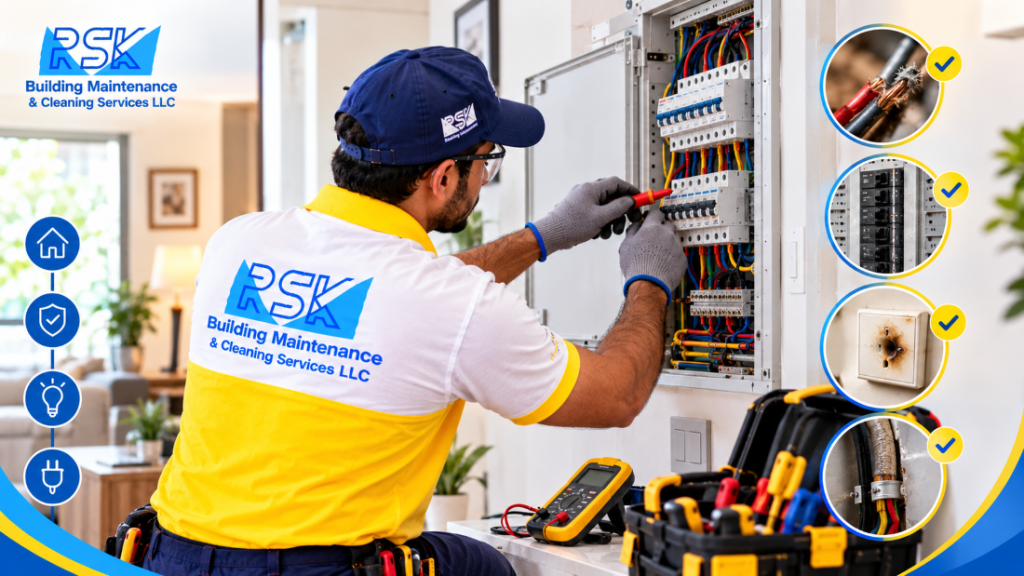
An electrical wiring inspection is a thorough check of your home’s electrical system, carried out by a qualified electrician. It looks at the wiring, distribution board, circuit breakers, sockets, switches, lighting, earthing, and any heavy-load appliances connected to the system.
The aim is simple: confirm the system is safe, working properly, and able to handle the load you put on it, and find small faults before they become big ones.
Why Electrical Inspections Matter, Especially in Dubai
Homes in Dubai put a lot of demand on their electrical systems.
- Heavy AC use. Air conditioners run for long hours, often for most of the year, and they draw a lot of power. This puts constant strain on circuits and connections.
- High summer temperatures. Heat can accelerate the ageing of wire insulation and loosen connections over time.
- Older villas and apartments. Wiring in older properties may not have been designed for today’s appliance loads.
- Renovations and modifications. Added points, new appliances, or DIY changes can overload circuits or leave poor connections behind.
- Many modern devices. Chargers, home offices, smart devices, water heaters, and kitchen appliances all add to the load.
A regular inspection helps make sure your system is keeping up with the way you actually live.
Warning Signs of Faulty Wiring
Your home often tells you when something is wrong. Don’t ignore these signals.
- Circuit breakers that trip often. An occasional trip can be an overload. Frequent tripping points to a deeper issue.
- Flickering or dimming lights. Especially when large appliances turn on, which can indicate loose connections or overloaded circuits.
- A burning smell. A hot, plasticky smell near sockets, switches, or the distribution board is a serious red flag.
- Warm or hot sockets and switches. Switch plates should never feel hot.
- Discolored or scorched sockets. Brown or black marks mean overheating or sparking.
- Buzzing, crackling, or sizzling sounds. Electrical systems should be silent.
- Mild electric shocks. Even a small tingle from a switch, appliance, or tap should be investigated immediately.
- Sockets that spark. A tiny spark when plugging in is not normal.
- Loose sockets or switches. If they wobble or don’t hold plugs firmly, the connections behind them may be loose.
- Frequent bulb failures. Bulbs that burn out quickly can indicate voltage problems or poor connections.
- Extension cords everywhere. If you rely on multiple extension boards, you probably don’t have enough sockets or circuits for your needs.
- Outdated or damaged wiring. Cracked, brittle, or exposed wiring should be replaced.
If you notice any of these, especially burning smells, sparks, or hot sockets, stop using that circuit and call a licensed electrician.
What Homeowners Can Safely Check
You don’t need to be an electrician to do a basic visual check. These simple inspections are safe as long as you don’t open covers, touch wiring, or work on live parts.
- Sockets and Switches
- Look for cracks, discolouration, or burn marks
- Check that plates are firmly fixed, not loose
- Feel for unusual warmth after a device has been running
- Make sure plugs fit snugly and don’t fall out
- Distribution Board (Fuse Box)
- Check that it is clean, dry, and free from rust or moisture
- Make sure the circuits are clearly labelled so you know what each breaker controls
- Listen for buzzing sounds
- Look for any scorch marks or burning smell
- Never open the live section of the board yourself
- RCD or ELCB Safety Switch
Residual current devices (RCDs, also called ELCBs or RCCBs) are designed to cut the power quickly if there’s a leakage that could cause an electric shock. Most have a test button.
- Press the test button, usually once a month. The switch should trip immediately.
- If it doesn’t trip, or won’t reset, call an electrician.
- Extension Cords and Plugs
- Replace any cord that is frayed, cracked, or has exposed wire
- Don’t run cords under carpets or rugs
- Avoid daisy-chaining several extension boards together
- Don’t overload one board with high-power appliances such as heaters or irons
- Lighting
- Check that bulbs match the recommended wattage for the fitting
- Look for discolouration or heat damage around light fittings
- Notice if lights flicker regularly
- Wet Areas
- Bathrooms, kitchens, balconies, and outdoor areas need extra care
- Make sure sockets in wet areas are properly protected and that water can’t reach them
- Never use electrical items with wet hands or near water
- Appliances
- Check the plugs and cables of heavy appliances such as water heaters, washing machines, and ACs
- Notice any appliance that causes the lights to dim or the breaker to trip when it starts
- Smoke Detectors
- Test them regularly and replace batteries if needed
- Make sure there’s one in the right places, such as near kitchens and bedrooms
What a Professional Electrical Inspection Covers
A licensed electrician can check what you can’t see and test what you can’t safely touch. A thorough inspection usually includes:
- Visual inspection of wiring, sockets, switches, lights, and the distribution board
- Testing of circuit breakers and RCDs to make sure they trip correctly
- Earthing and grounding checks to confirm faults can safely discharge
- Insulation resistance testing to detect deteriorating wires
- Load assessment to see whether circuits are overloaded
- Checking connections for looseness or overheating signs
- Inspection of heavy-load circuits like ACs, water heaters, and cooking appliances
- Identification of non-compliant or unsafe work from earlier repairs or DIY changes
- A report with recommendations so you know what needs urgent attention and what can wait
Some electricians also use thermal imaging to spot hot spots in the distribution board and connections without opening up your walls.
How Often Should You Get an Electrical Inspection?
There’s no single rule that fits every home, but as a general guide:
- Every few years for a typical home in good condition
- Annually for older properties or homes with a history of electrical issues
- Before buying or renting a property, so you know what you’re getting into
- After major renovations or after adding significant new appliances
- After a power surge, storm damage, or water leak that may have affected wiring
- When you notice any warning signs
If you’re unsure about your own property, a qualified electrician can recommend a schedule that suits the age and condition of your home.
Common Electrical Problems Found During Inspections
Inspections regularly turn up the same issues:
- Overloaded circuits from too many appliances on one line
- Loose connections at sockets or breakers
- Damaged or ageing wire insulation
- Missing or faulty RCD protection
- Poor or missing earthing
- Incorrectly sized breakers or wires
- Unsafe DIY repairs and amateur additions
- Water damage or moisture in sockets or the distribution board
- Outdated distribution boards that can’t handle modern loads
Fixing these early is usually quick and affordable compared with dealing with a breakdown, a fire, or damage to your appliances.
What You Should Never Do
- Never open the distribution board’s live parts or touch wiring yourself
- Never ignore a burning smell or hot socket
- Never keep resetting a breaker that trips repeatedly
- Never use damaged cables, plugs, or sockets
- Never overload extension boards
- Never attempt electrical repairs without proper training
- Never hire unlicensed or unqualified workers for electrical jobs
Electricity can seriously injure or kill, and mistakes can also start fires. When in doubt, call a professional.
When to Call an Electrician Immediately
Contact a licensed electrician right away if you notice:
- A burning smell, smoke, or visible sparks
- Hot, melted, or blackened sockets or switches
- Repeated tripping that you can’t explain
- An RCD that won’t reset or doesn’t trip on test
- Electric shocks from switches, taps, or appliances
- Water has entered the distribution board or sockets
- Buzzing or crackling sounds from walls or panels
In the meantime, switch off the affected circuit if it’s safe to do so, and keep people away from the area.
Tips to Keep Your Home’s Wiring Safe
- Don’t overload circuits. Spread heavy appliances across different sockets and circuits.
- Use quality products. Cheap plugs, extension boards, and cables are a common cause of faults.
- Plan for your needs. If you constantly use extension boards, ask an electrician about adding proper sockets.
- Keep it dry. Moisture and electricity don’t mix.
- Service your ACs. A poorly maintained AC can draw extra current and strain your wiring.
- Schedule regular inspections. Prevention costs far less than repair.
- Keep records. Save inspection reports and details of any electrical work done in your home.
- Use only qualified professionals. Always choose a licensed, experienced electrician for installations and repairs.
Book a Professional Electrical Inspection in Dubai
A visual check at home is a good habit, but it can’t replace a proper inspection with the right instruments. If you’re in Dubai and want peace of mind, the team at RSK Service can inspect your wiring, test your safety devices, and help you fix any problems before they become emergencies. Visit rimonsk.ae to learn more about our home maintenance services and book an inspection.
Frequently Asked Questions
What is an electrical wiring inspection?
It’s a professional check of your home’s electrical system, including wiring, sockets, switches, circuit breakers, earthing, and the distribution board, to make sure everything is safe and working properly.
How do I know if my house wiring is bad?
Common signs include frequent breaker trips, flickering lights, burning smells, hot or scorched sockets, buzzing sounds, and mild electric shocks. If you notice any of these, call a licensed electrician.
How often should I have my home’s wiring inspected?
Every few years is a sensible guide for homes in good condition, and more often for older properties. Also get an inspection before buying or renting, after major renovations, or whenever you see warning signs.
Can I inspect my home’s electrical wiring myself?
You can do a basic visual check of sockets, switches, cords, and the RCD test button. But you shouldn’t open panels or touch wiring. Testing and repairs should be left to a qualified electrician.
Why does my circuit breaker keep tripping?
Common causes include overloaded circuits, a faulty appliance, a short circuit, or damaged wiring. If it keeps happening, don’t keep resetting it. Have an electrician find the cause.
Is a burning smell from a socket dangerous?
Yes. It can mean overheating or arcing, which may lead to fire. Switch off the circuit if it’s safe to do so, stop using the socket, and call an electrician immediately.
What is an RCD, and how do I test it?
An RCD (also called an ELCB or RCCB) is a safety device that cuts power quickly if there’s a dangerous leakage of current. Most have a test button. Press it, ideally once a month, and it should trip at once. If it doesn’t, call an electrician.
Can old wiring be dangerous even if everything seems to work?
Yes. Ageing insulation, loose connections, and overloaded circuits can look fine from the outside while quietly creating risk. A professional inspection can find these hidden issues.
What happens during a professional electrical inspection?
The electrician visually checks the system, tests breakers and RCDs, checks earthing and insulation, assesses circuit loads, and examines connections. You’ll usually get a report with recommendations.
Do I need an electrical inspection before buying or renting a property?
It’s a smart step. It helps you find hidden electrical problems and negotiate repairs or prices before you commit.
Final Thoughts
Your home’s wiring is one of those things you only notice when something goes wrong. A little attention now, with a few simple visual checks and a professional inspection every so often, can protect your family, your appliances, and your property.
Don’t wait for a burning smell or a tripped breaker to take it seriously. Catch the small problems early, use qualified professionals for anything beyond a basic look, and your home’s electrical system will keep working safely in the background, as it should.